

Joined 2020.01
Gabriel (Naiqi) Xiao, PhD
Principal Investigator, Associate Professor, University Scholar
Face Perception
Eye-Tracking
Social Cognition
fNIRS
Research profile
Meet Gabriel →
Babies aren't just passive sponges—they're tiny scientists constantly testing the world. Here at McMaster, we study how their everyday experiences build the human mind from day one.
See how we make research fun and safe for every little scientist.
Even sleeping newborns anticipate what comes next. We study how the infant brain generates predictions about upcoming sensory events and how this ability shapes early perception.
The faces and voices a baby encounters daily shape how their brain develops. We study how neighborhood diversity and family composition influence face and voice recognition.
Before they can speak, infants use facial expressions to guide their attention and social decisions. We study how emotional cues direct what babies look at and whom they trust.
Real faces blink, chew, and talk. Most lab studies use static photographs, but we examine how facial motion and viewing distance alter the way infants recognize the people around them.
We're tracing how the brain's shortcuts for processing familiar faces can accidentally plant the seeds of bias—and what we can do about it in the earliest months.
We build open-source tools—from smartphone apps to bedside brain scanners—so we can study how kids really develop, not just how they behave in a lab room.
Supported by our funding partners










Principal Investigator, Associate Professor, University Scholar

PhD student

MSc student

PhD candidate

PostDoc

Lab manager

PostDoc & former PhD student

PhD student
Active lab members by role · 2020 – present
A few snapshots from around the lab — the people and moments behind the research. Go on, grab a photo.




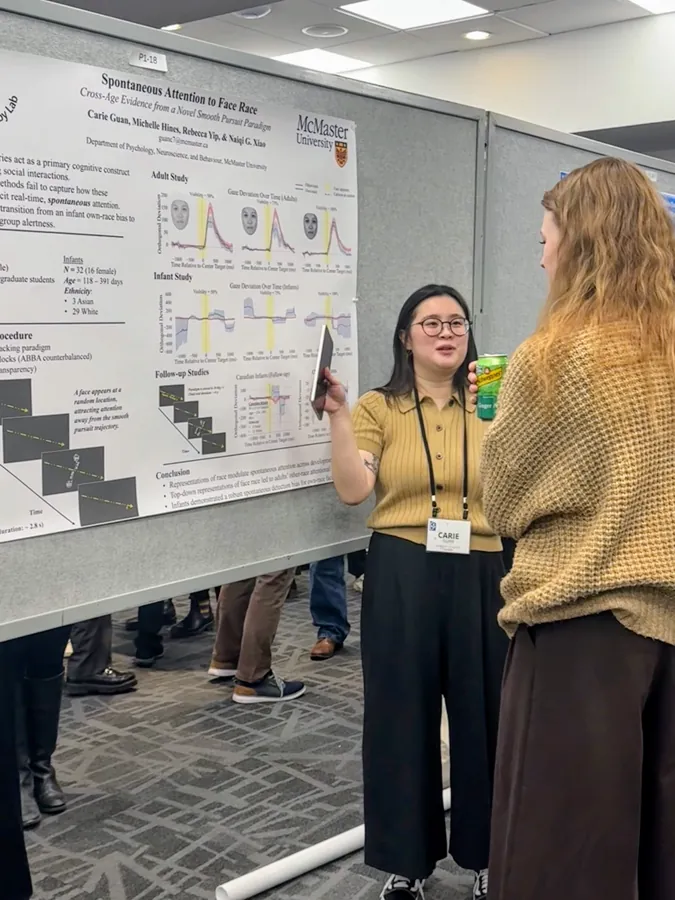

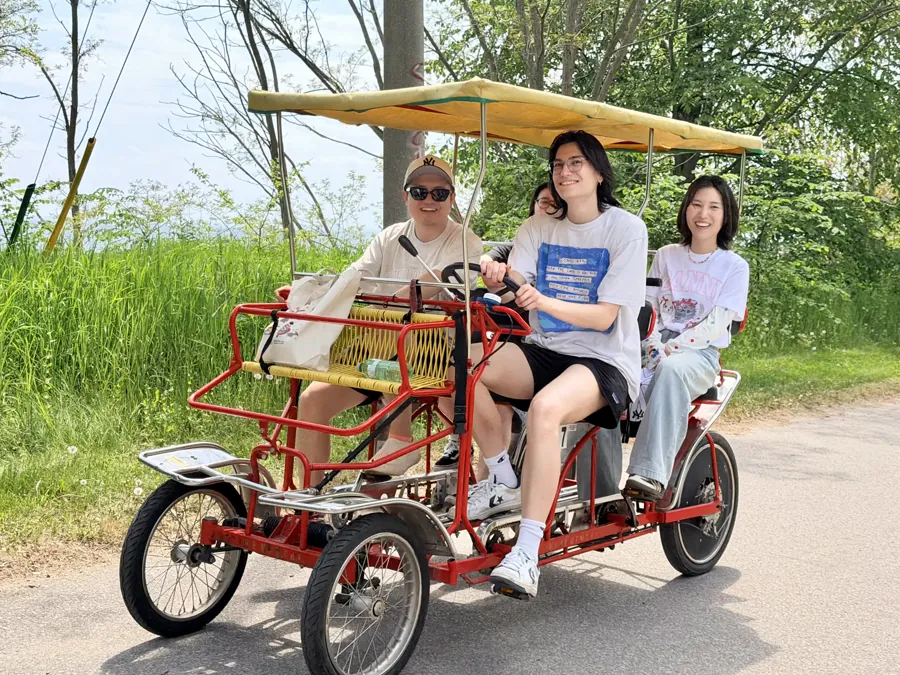
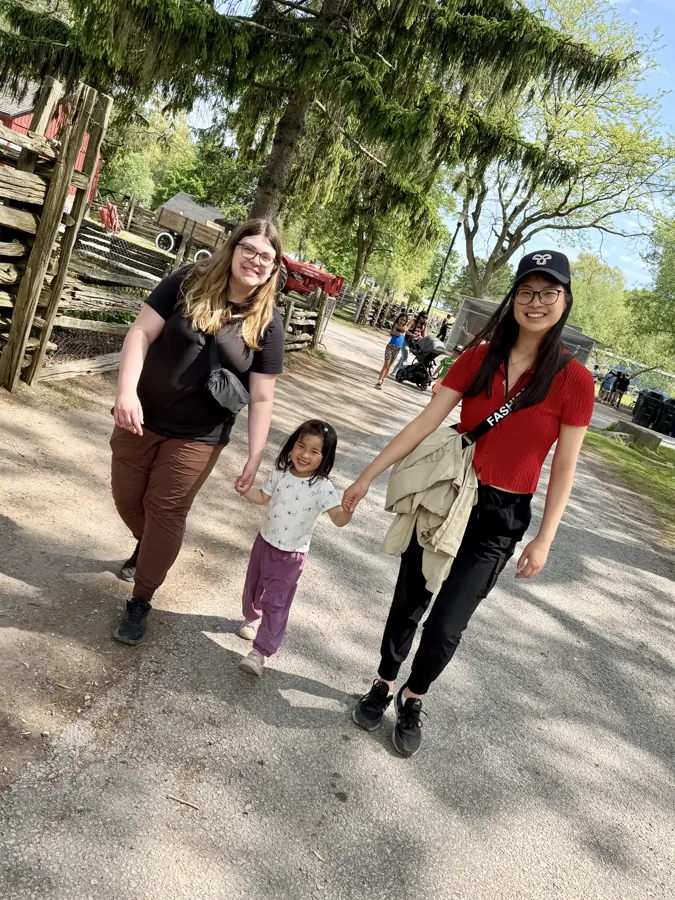

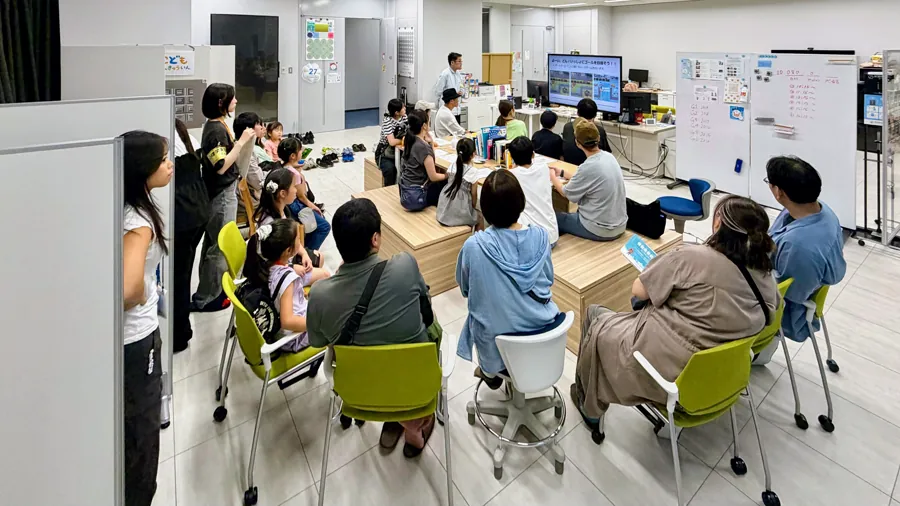
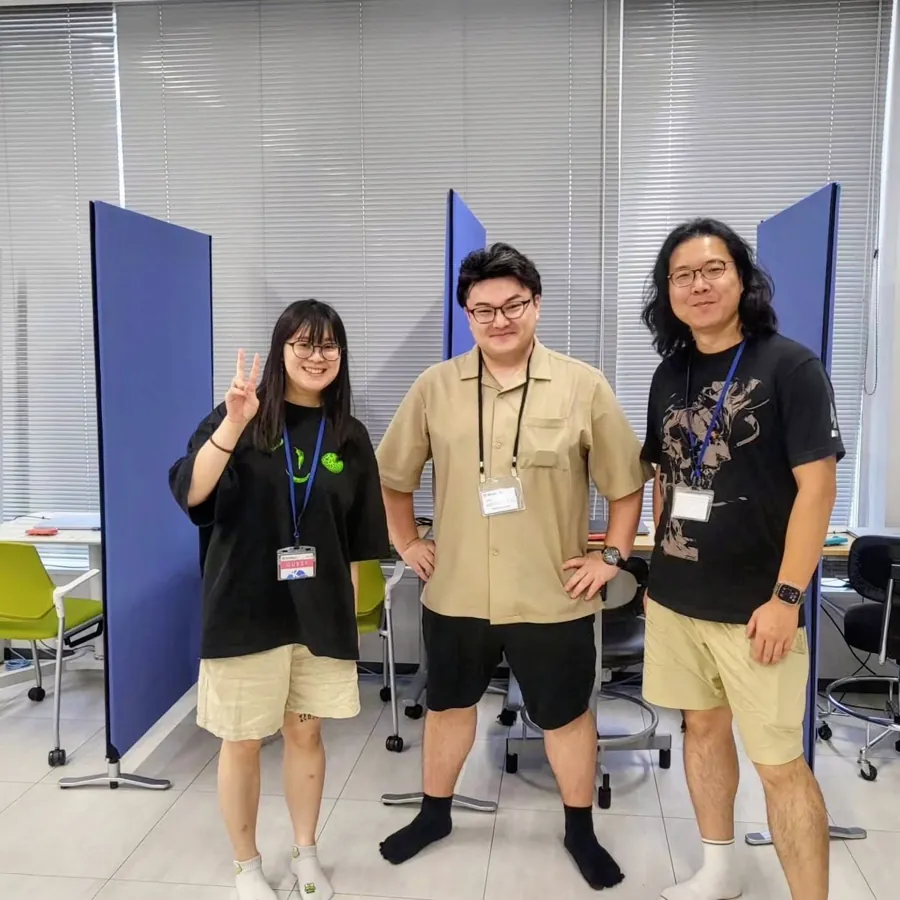
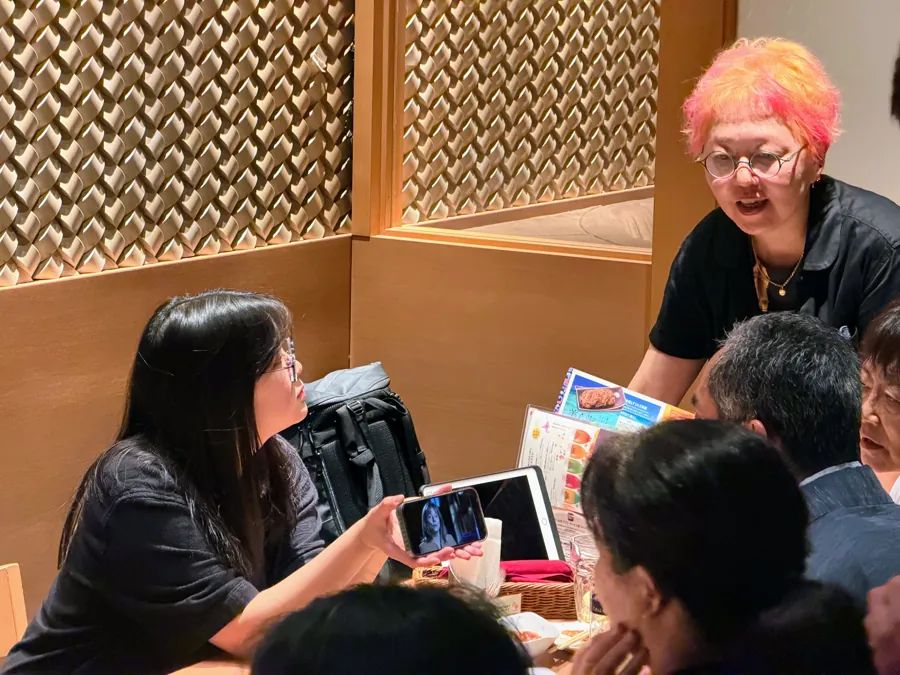
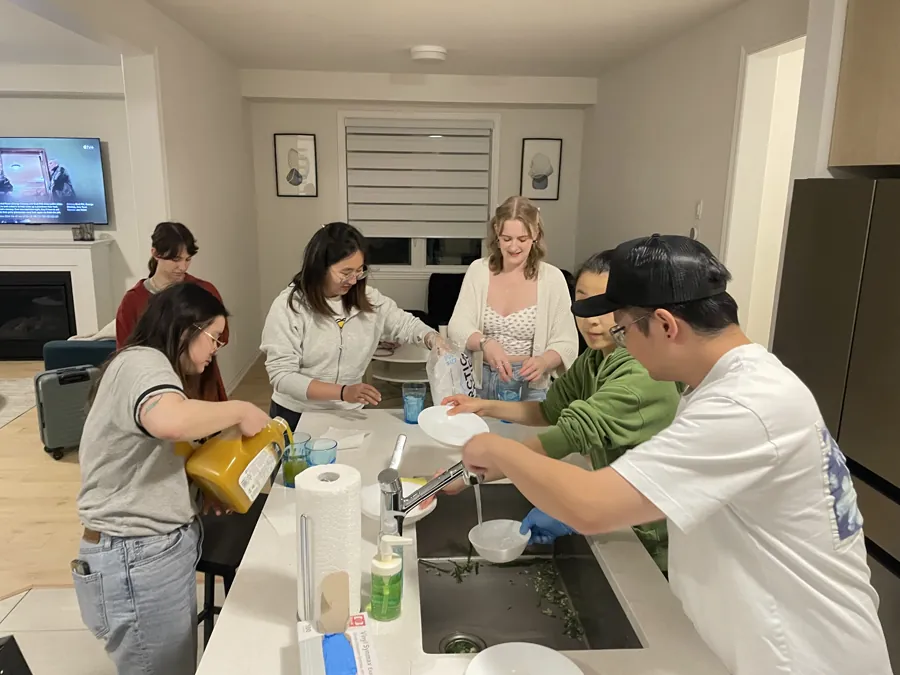
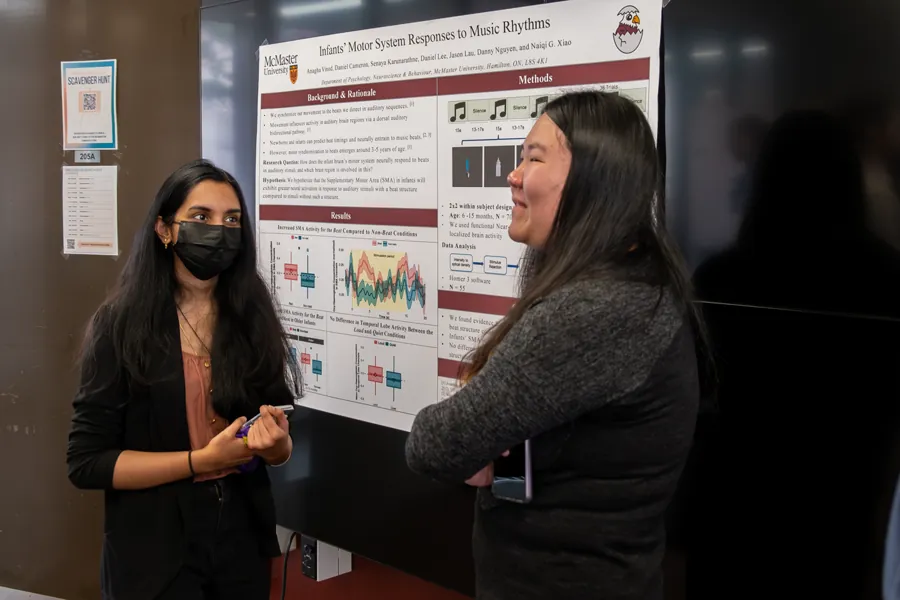

More moments — drag one up onto the board
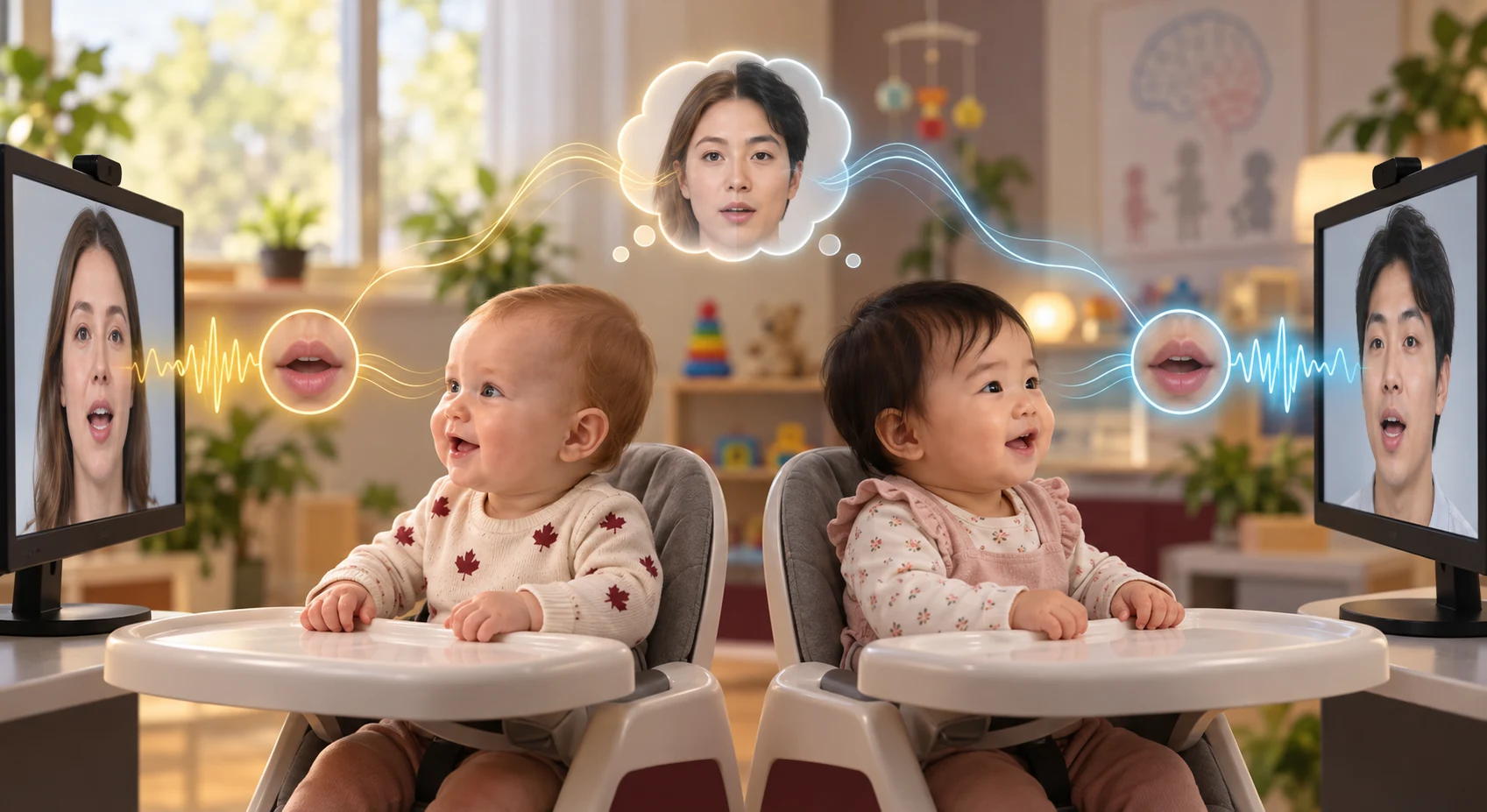
Yan, Hu, Ding, Jin, Krasotkina, Ren, Liu, & Xiao
Audiovisual speech integration is shaped by early cultural and perceptual experience. White Canadian infants showed a stable McGurk effect from 6 months onward, while Chinese infants followed a more gradual developmental trajectory and, at 12 months, integrated speech more selectively for own-race faces.
Read Study →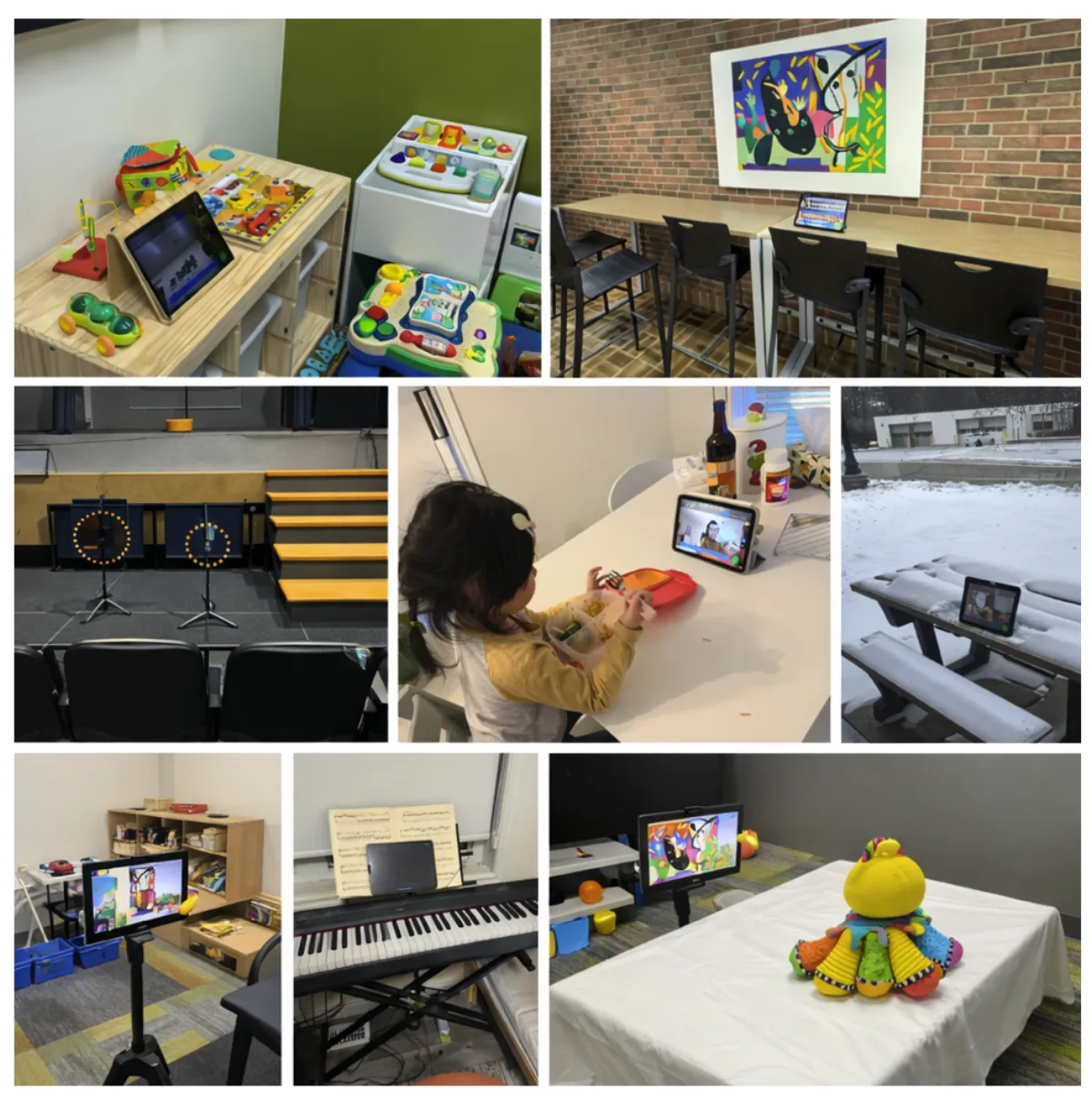
Pazdera, Ripley, Fang, Fink, Schmidt, Rutherford, Troje, Trainor, & Xiao
We’ve developed a new app, Expressions, to track infant development, and our latest publication in Infant Behavior and Development demonstrates exactly what it can do! Through two example studies embedded in the paper, we used the app to track infants from 9 to 14 months. It successfully captured distinct trajectories of manipulation complexity (how babies play with objects), which we found directly predicts their language skills at age two. Check out the paper to see how our app maps out these fascinating motor-language cascades!
Read Study →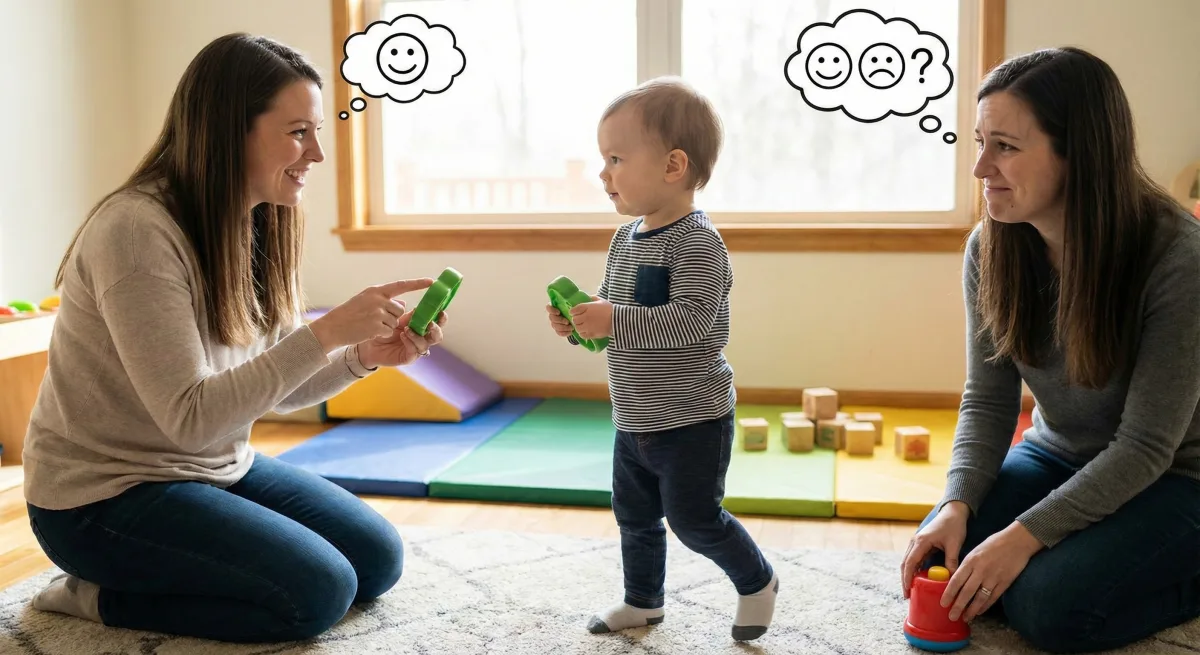
Fang & Xiao
Detecting and utilizing emotional consistency as a cue for social engagement develops during the second year of life. Toddlers aged 18 to 24 months show greater trust and gaze following toward emotionally consistent individuals.
Read Study →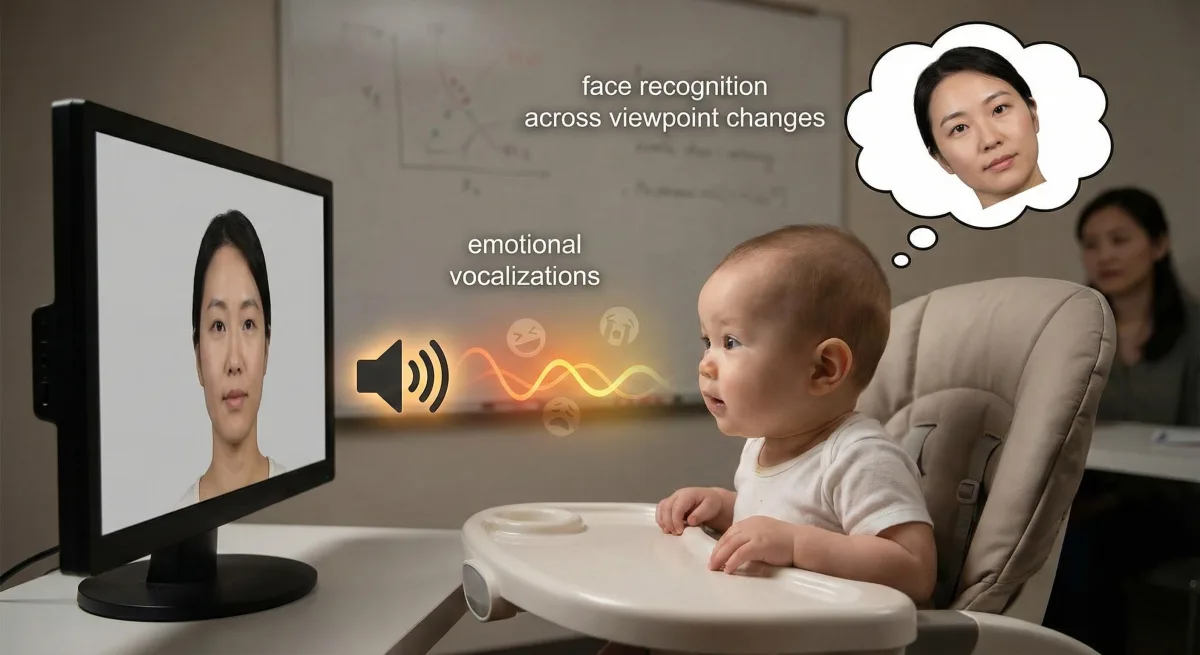
Guan, Geller, Mammon, & Xiao
Incidental, cross-modal emotional signals such as happy or sad vocalizations significantly enhance infants' ability to recognize other-race faces. This highlights the early integrative nature of emotion processing in cognitive development.
Read Study →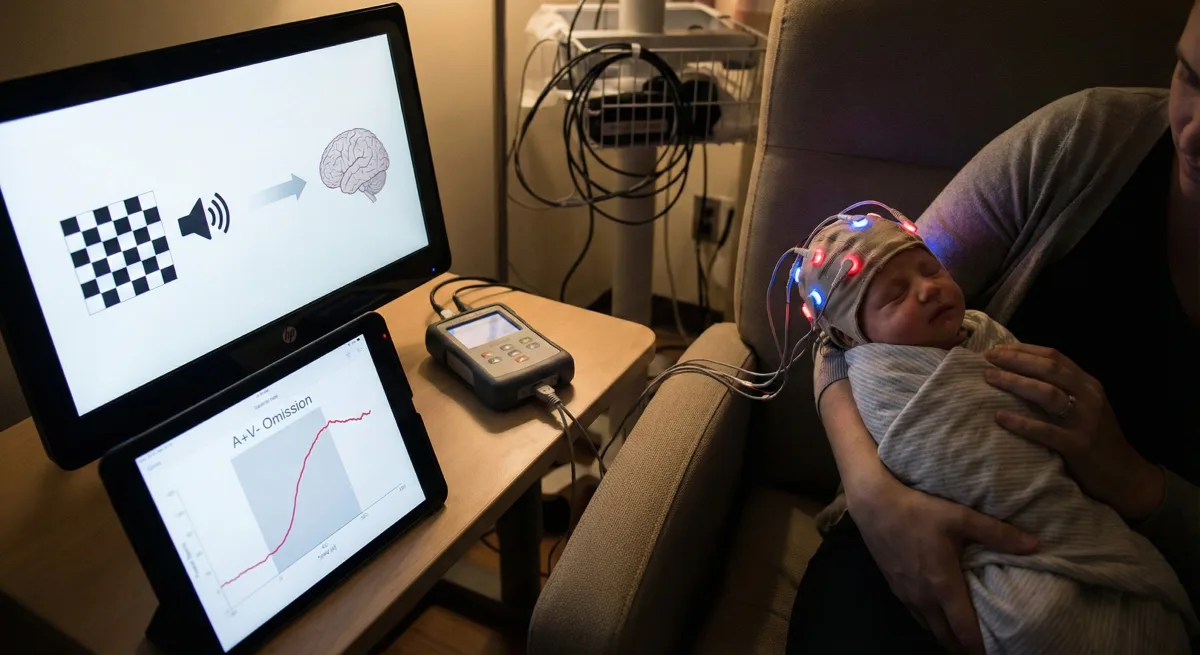
Xiao, Robertson, & Emberson
Neonatal brains show the capability for top-down sensory prediction within just two days of birth, reacting to unexpected sensory omissions. This suggests that the ability to modulate perception based on predictions is foundational and present from birth.
Read Study →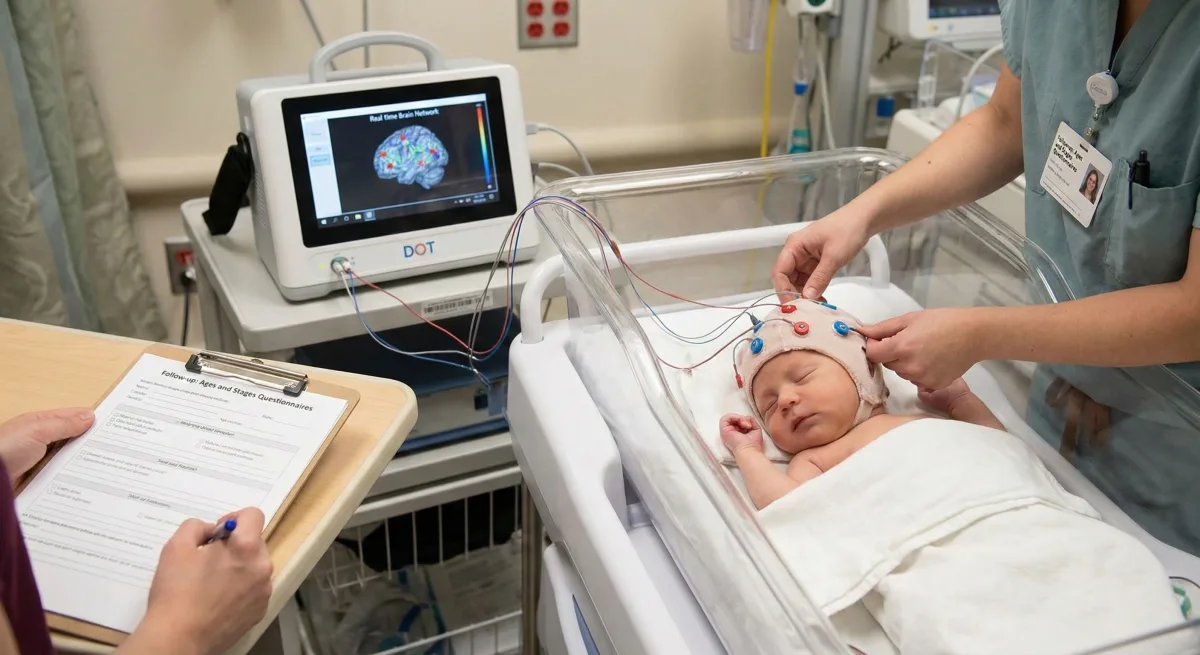
Mastroianni, Vinod, Xiao, Johnson, Thabane, Fang, & Goswami
Diffuse optical tomography (DOT) provides a feasible bedside method to quantify brain function and connectivity in neonates with brain injury. This functional information can complement traditional MRI to improve the accuracy of neurodevelopmental predictions.
Read Study →Explore the research infrastructure, child-friendly sensing, and dynamic face-analysis tools we build for developmental science.

Research operations
Keep longitudinal studies coherent through shared participant history, recruitment oversight, scheduling, and follow-up.
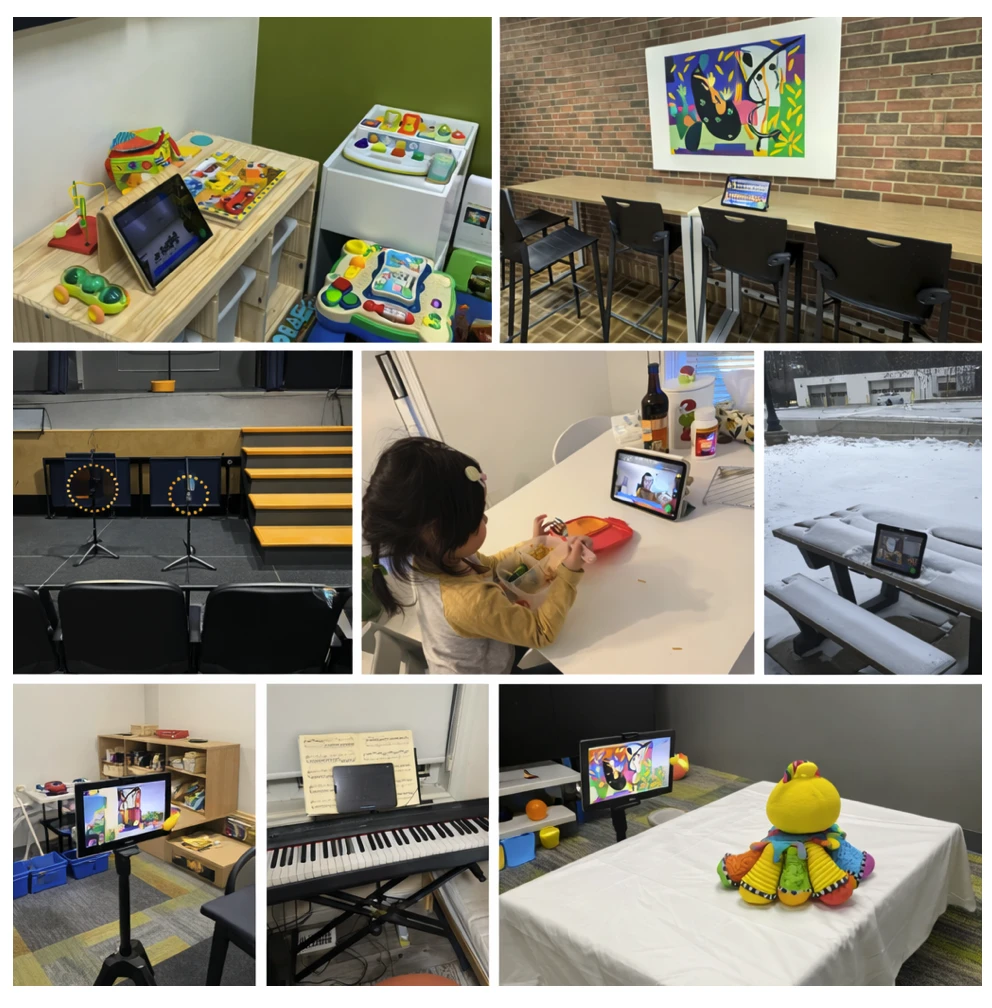
Mobile sensing
Study infant and child behavior more naturally by linking expression, movement, audio, video, and task events.
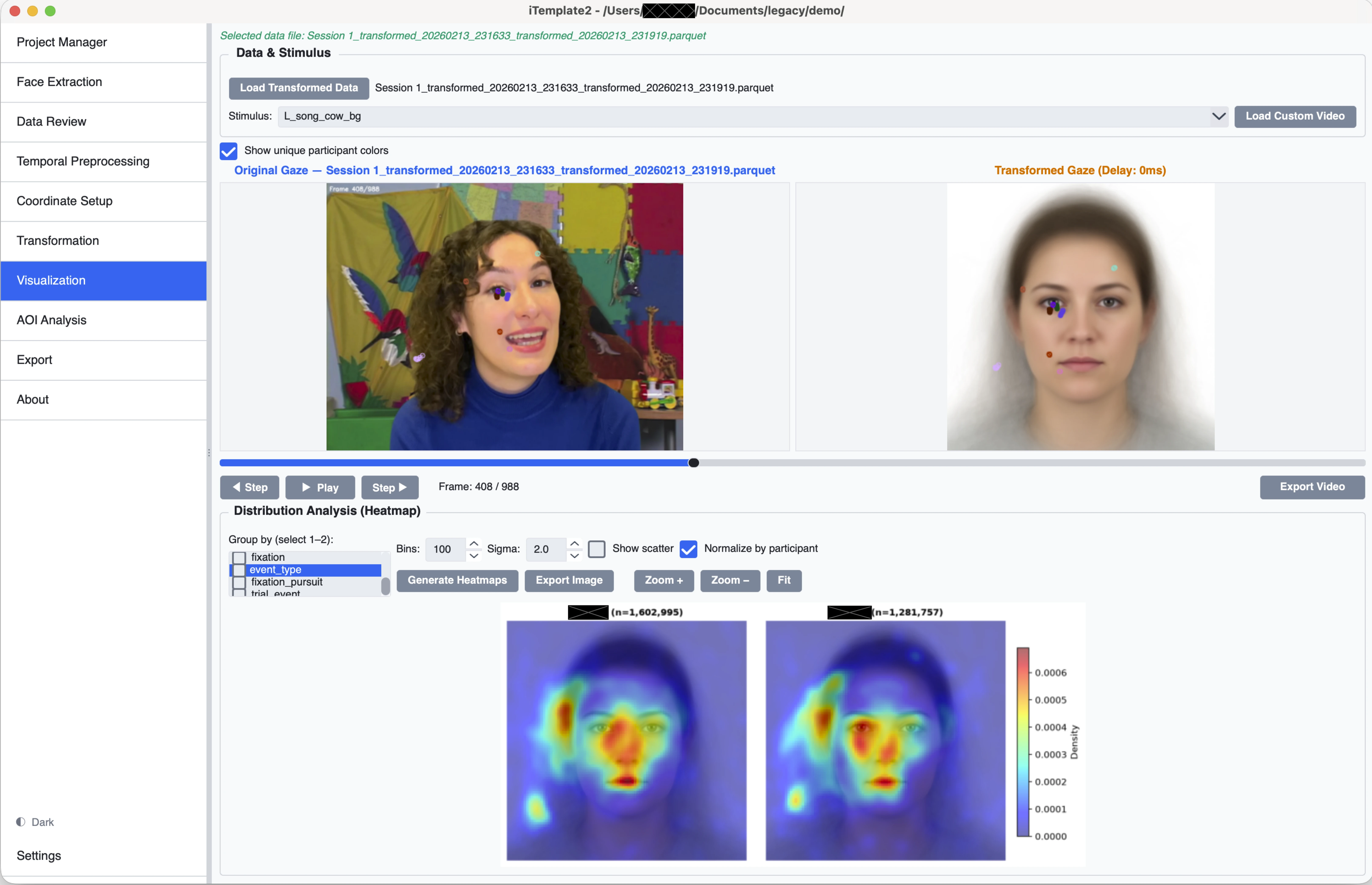
Eye-tracking analysis
Analyze feature-level attention when faces move, change expression, and appear in naturalistic scenes.
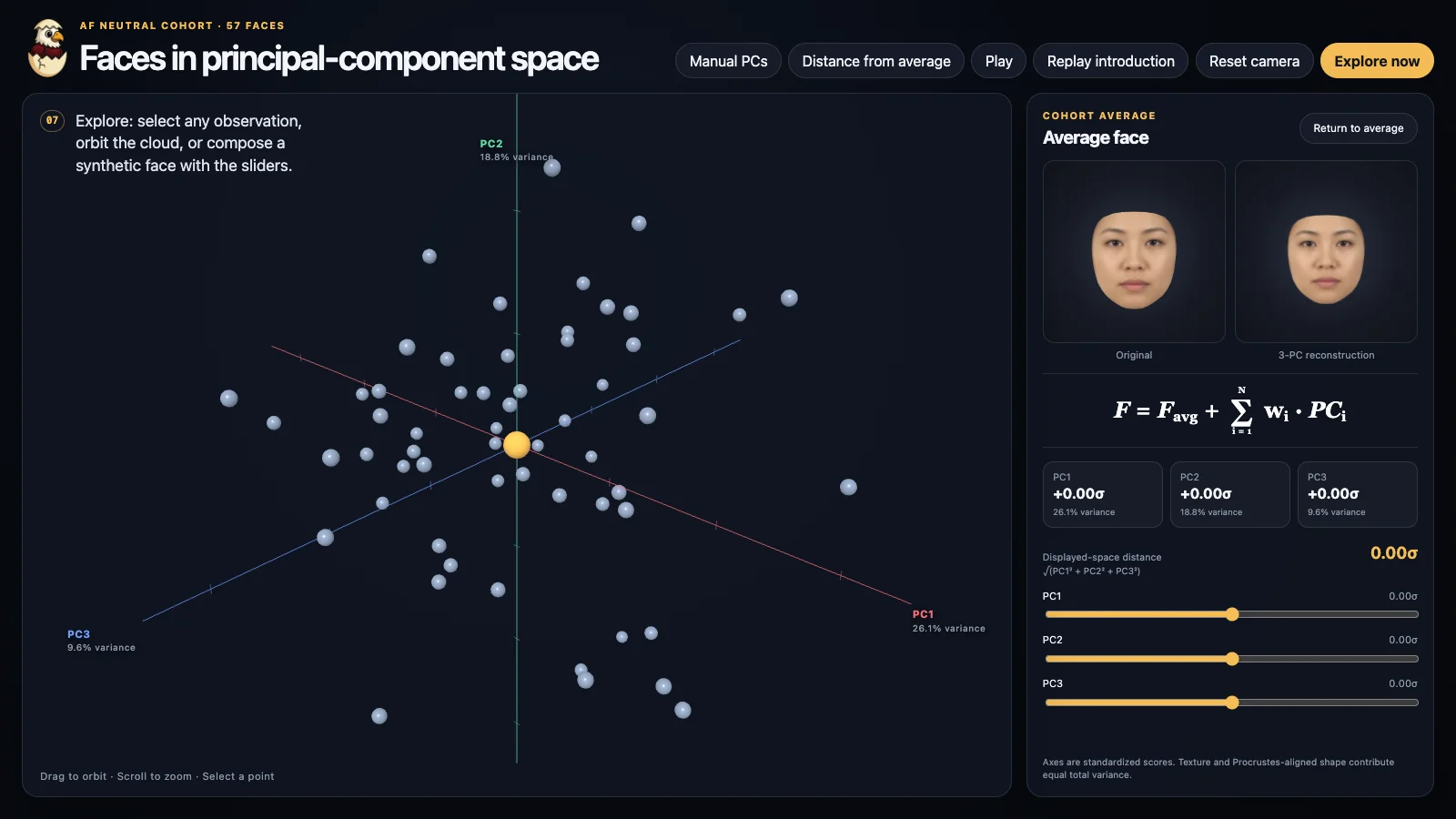
Face perception
Orbit an interactive 3D map of faces built from principal component analysis, and synthesize new faces from the components.
Cumulative families welcomed · 2021 – present
Join our community of little scientists. It's fun, safe, and free!
It only takes 2 minutes to get started!


