Babies aren't just passive sponges—they're tiny scientists constantly testing the world. Here at
McMaster, we study how their everyday experiences build the human mind from day one.
See how we make research fun and safe for every little scientist.
Our Research
Directions 🧭
🧠
The Mind as a
Crystal Ball
Even sleeping newborns anticipate what comes next. We study how the infant brain generates
predictions about upcoming sensory events and how this ability shapes early perception.
🌍
Learning from the
Neighborhood
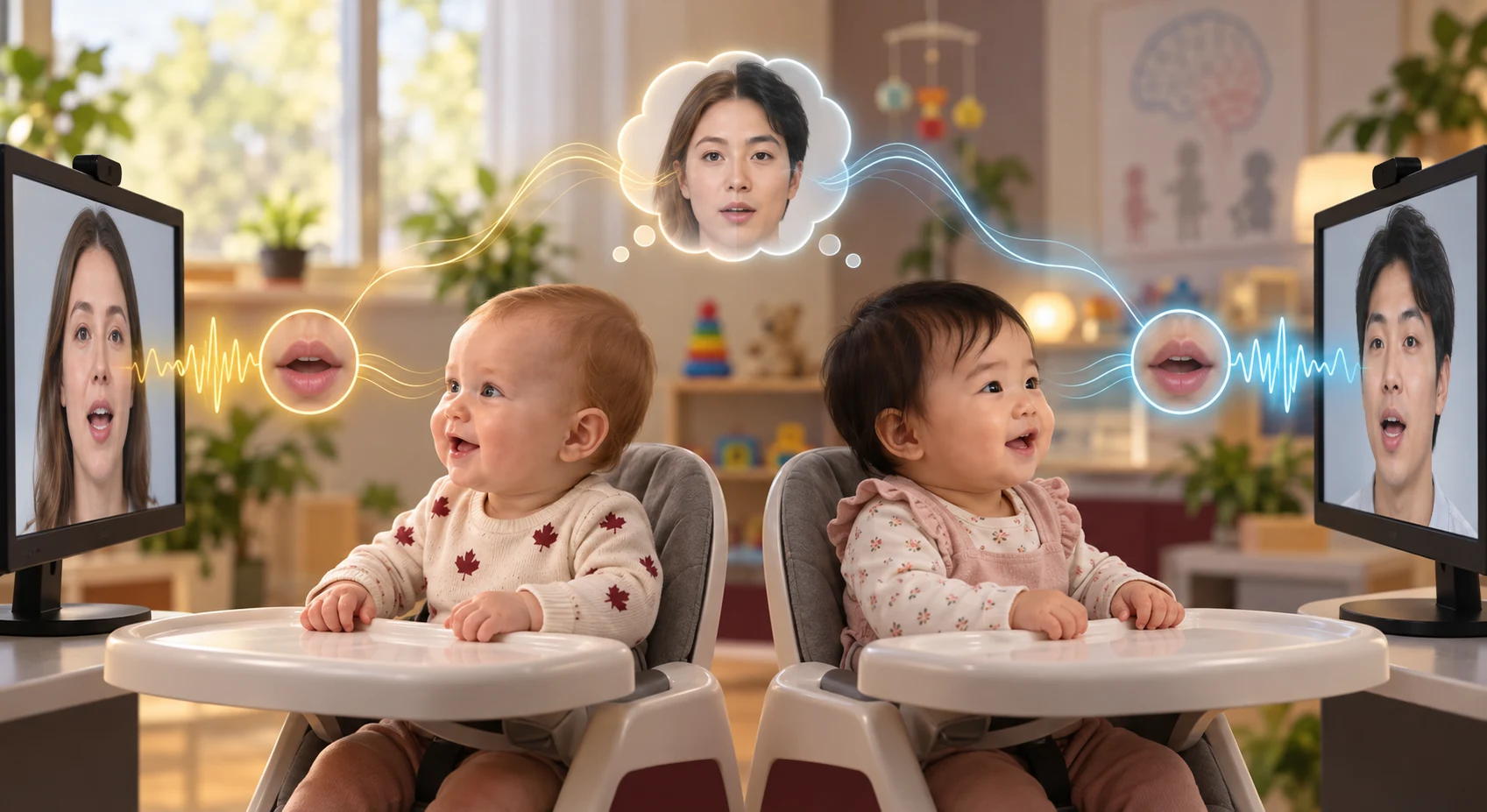
The faces and voices a baby encounters daily shape how their brain develops. We study how
neighborhood diversity and family composition influence face and voice recognition.
❤️
Reading the
Room
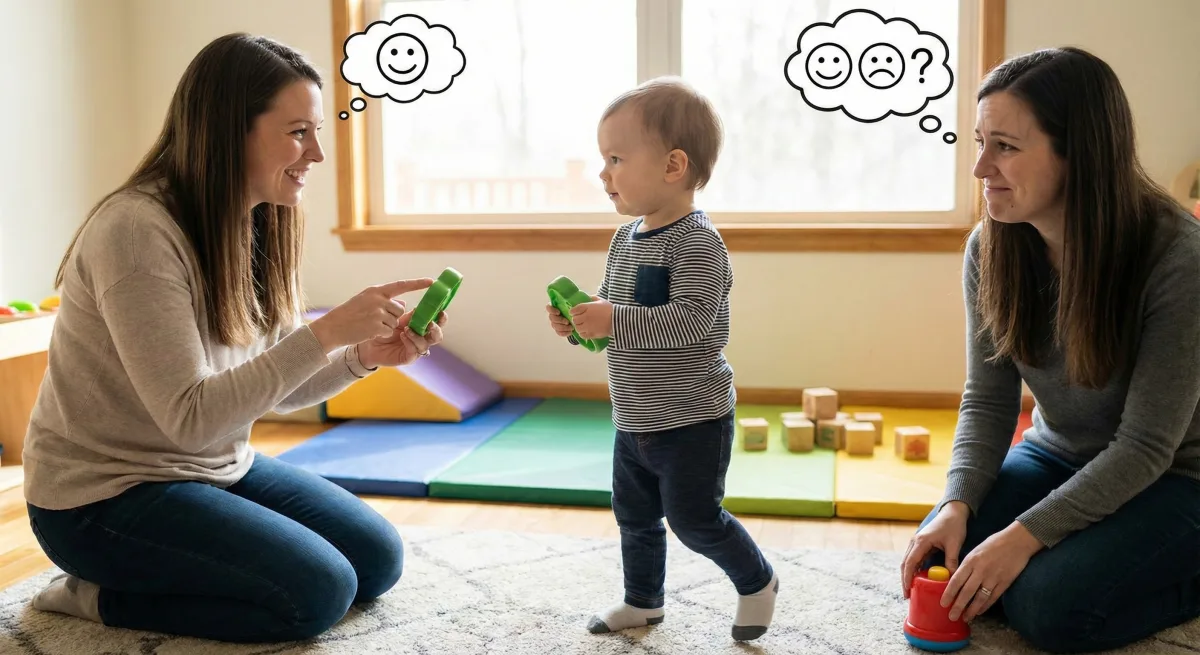
Before they can speak, infants use facial expressions to guide their attention and
social decisions. We study how emotional cues direct what babies look at and whom they trust.
🎭
Faces in
Motion
Real faces blink, chew, and talk. Most lab studies use static photographs, but we examine how
facial motion and viewing distance alter the way infants recognize the people around them.
⚖️
Where Do Biases
Start?
We're tracing how the brain's shortcuts for processing familiar faces can accidentally plant
the seeds of bias—and what we can do about it in the earliest months.
🔬
Science That Leaves
the Lab 🔬
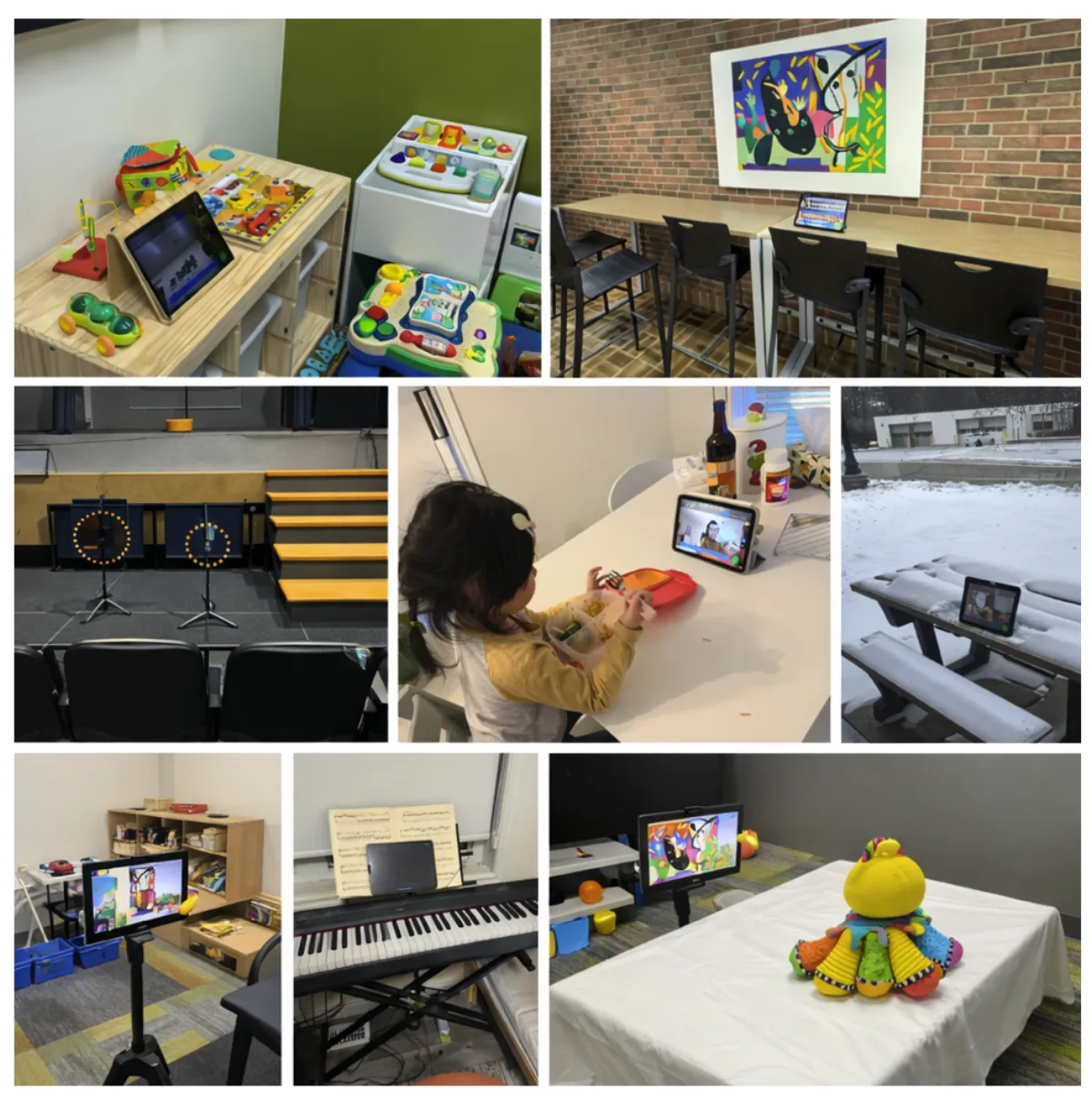
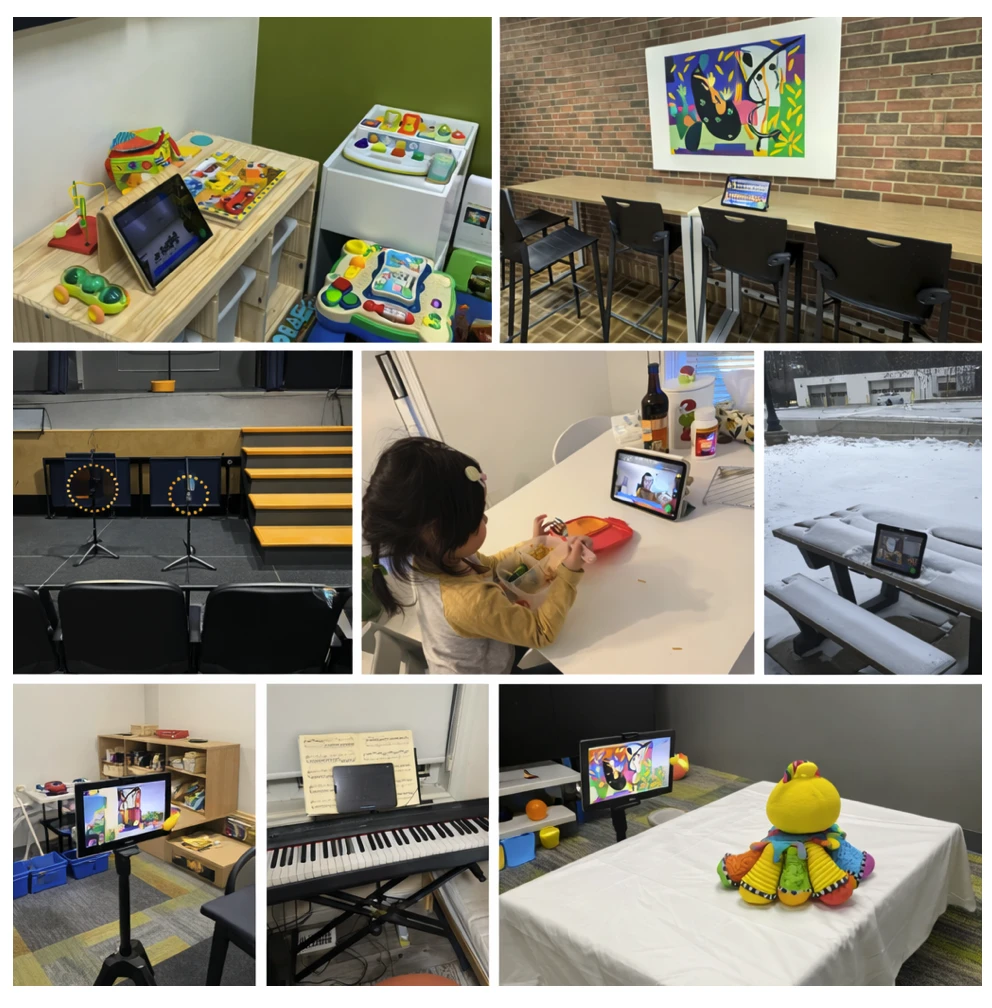
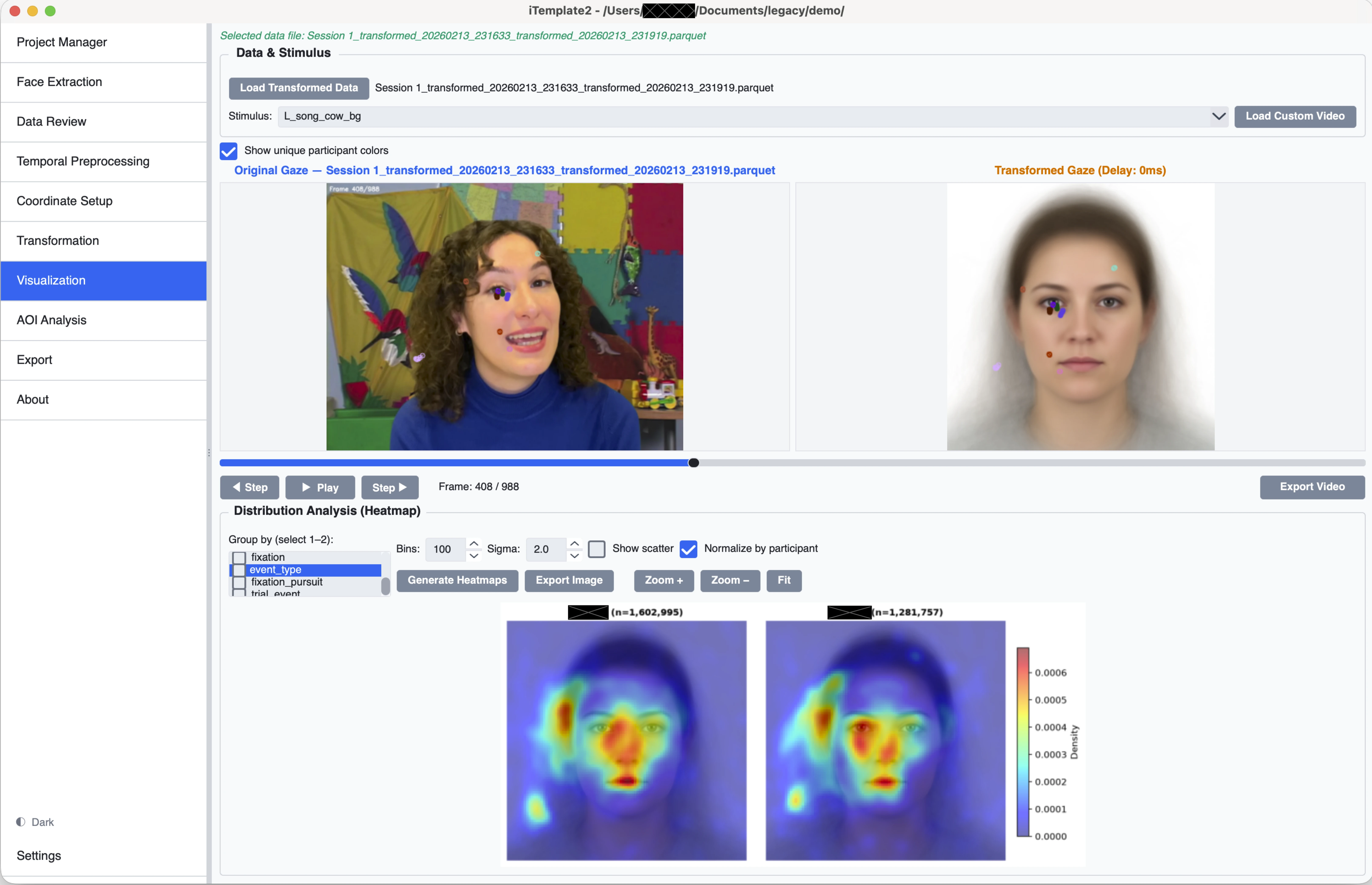
We build open-source tools—from smartphone apps to bedside brain scanners—so we can study how
kids really develop, not just how they behave in a lab room.
Emotional consistency as a guide for toddlers' social engagement
Fang & Xiao
During the second year of life, toddlers begin to use emotional consistency as a
social cue. Between 18 and 24 months, they follow the gaze of, and show greater
trust toward, individuals who express emotions consistently.
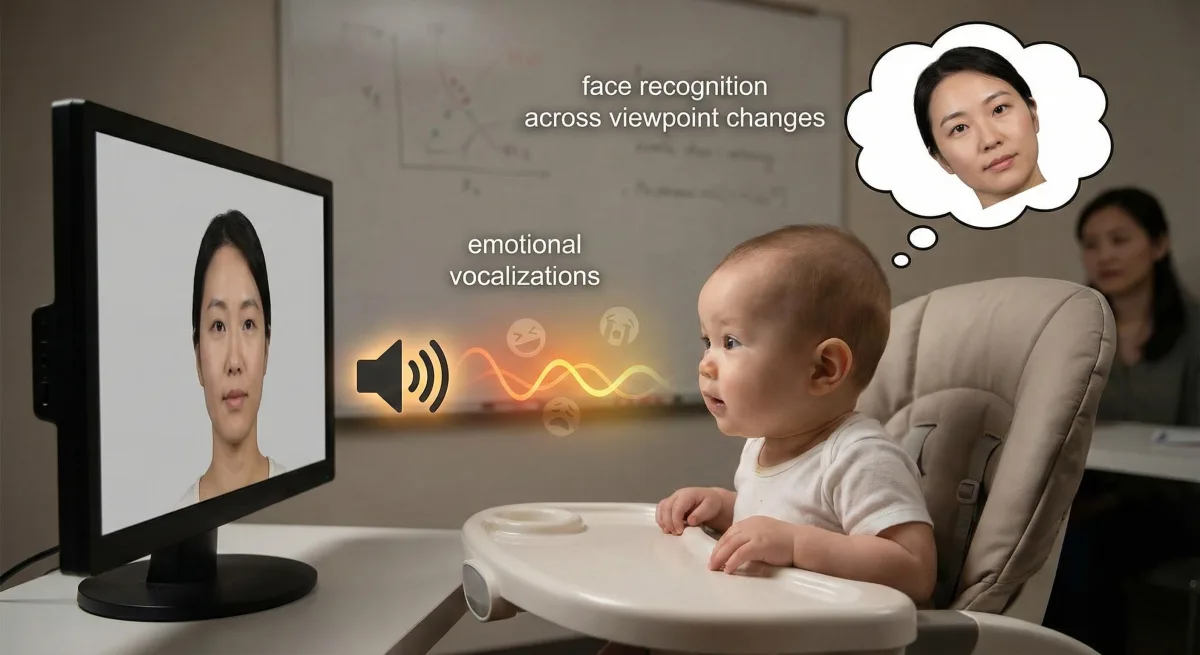
Infants Recognized Other‐Race Faces When Learning Them With Incidental Emotional Sounds
Guan, Geller, Mammon, & Xiao
When infants hear emotional vocalizations (happy or sad) while viewing other-race faces,
they later recognize those faces more accurately. Emotion and face identity appear to be
integrated in the infant brain earlier than previously assumed.
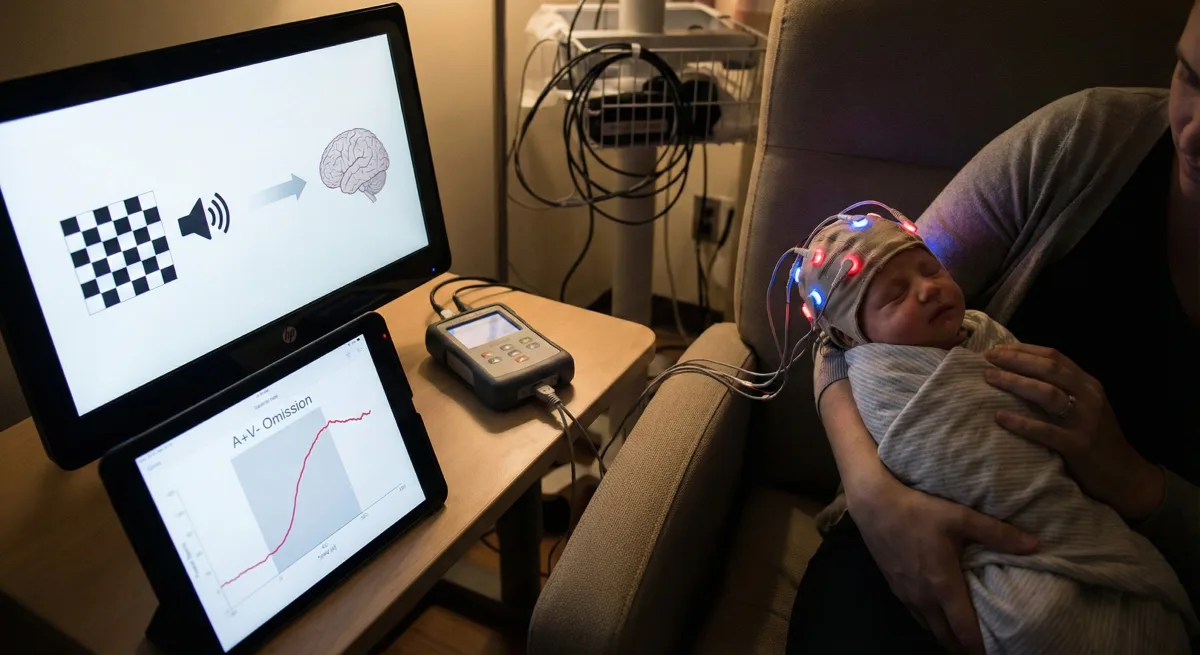
Evidence of Top‐Down Sensory Prediction in Neonates Within 2 Days of Birth
Xiao, Robertson, & Emberson
Within two days of birth, neonatal brains respond to unexpected sensory omissions,
indicating that top-down prediction of incoming sensory input is already operating.
This ability does not require months of postnatal experience to emerge.
NeonatalTop-downSensory
predictionfNIRSVisual
system
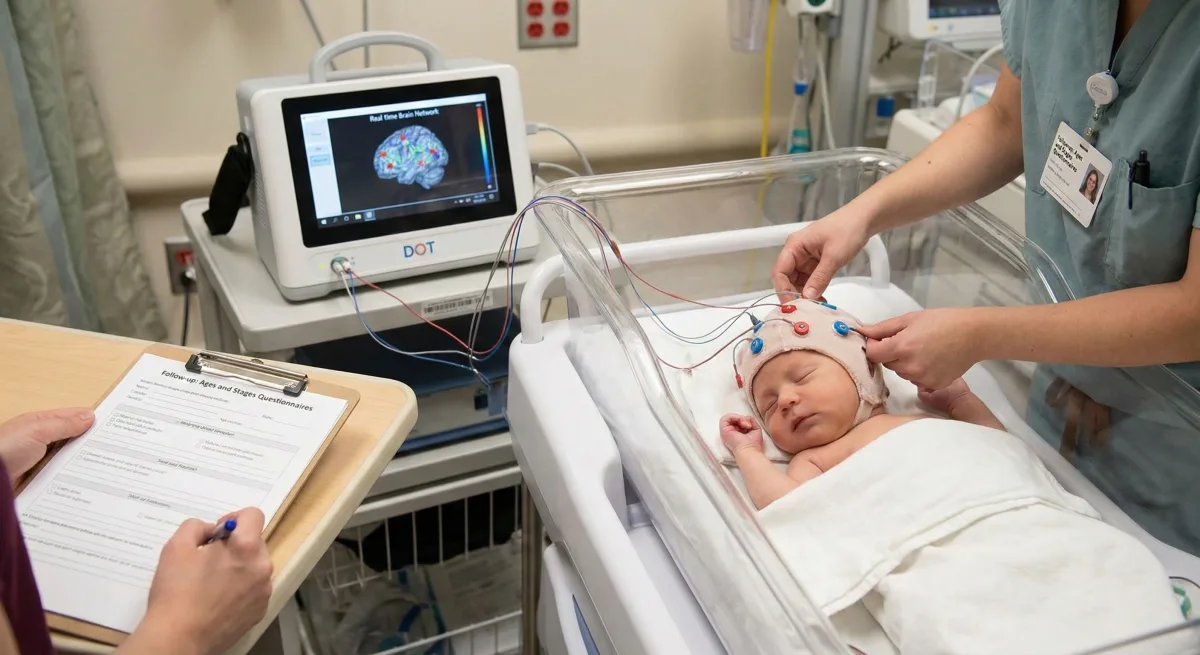
Diffuse optical tomography (DOT) can measure brain function and connectivity at the
bedside in neonates with brain injury. Combined with MRI, it may improve the accuracy
of neurodevelopmental outcome predictions.
Hello families! 👋 We
couldn't do our research without you. The McMaster Baby Lab studies how your child learns to
perceive and make sense of the world around them.
Our studies are short, game-like
activities. Your child might watch a cartoon, listen to sounds, or play with a toy while we
measure where they look or how their brain responds. Everything is safe and painless, and
the data help us answer real questions about how development works.
We welcome
families from all backgrounds so that our findings reflect the diversity of the communities
we serve. We would love to have your family visit!
Frequently Asked Questions
FAQ
We invite children up to age 12 to join our participant database! While our current
studies primarily focus on infants and children from birth to 6 years old, we regularly
launch new projects for various age groups. Once your child is in our database, we will
reach out whenever a study matches their age and criteria.
Most of our studies are conducted in person at our laboratory on the McMaster University
campus. We strive to make every visit convenient and enjoyable for both you and your
child.
Your child has the opportunity to experience a real research environment, engage in fun
developmental activities, and contribute to scientific discoveries as a 'junior
scientist.' It's a great way to support the development of child psychology research.
Our laboratory runs various projects exploring different aspects of childhood
development. We specifically focus on how children learn to perceive and understand
social information, such as faces and emotions. Before participating, you will receive a
detailed Letter of Information (LOI) explaining the specific goals of the study. Our
researchers are always happy to discuss our work with you in more detail!
You can reach us by email at babylab@mcmaster.ca or by phone at (905) 525-9140 ext.
23130. We are very responsive and happy to answer any questions you may have.
McMaster University maintains a central developmental studies database. Information is
typically collected through hospital recruitment, social media sign-ups, or community
events. If you received an invitation, it is because you previously expressed interest
in participating in developmental research. If you ever wish to be removed from our
list, simply let us know and we will respect your request immediately.
Absolutely. Your information is stored on secure, encrypted servers at McMaster
University and is protected by multiple layers of authentication. We never associate
your personal details with the research data collected, ensuring that all findings are
reported anonymously and at a group level.
Yes, provided both children meet the age and eligibility criteria for the study. We
often schedule back-to-back appointments for siblings to make your visit as convenient
as possible.
We would love that! Word-of-mouth is one of our best recruitment tools. Friends can sign
up through the 'Join the Fun' section on our website, and we will contact them when a
suitable study becomes available.
We value your time and privacy. You will only be contacted when your child is eligible
for a specific study, and our system ensures that families are not over-contacted. We
focus on quality invitations rather than quantity.
Yes! Many families enjoy participating in multiple studies as their children grow. If
your child is eligible for a new project, we would be delighted to welcome you back to
the lab.
We keep our families informed through annual newsletters that summarize our research
findings in clear, accessible language. While we do not provide individual data (as our
research focuses on group-level patterns rather than clinical assessments), these
updates show how your participation contributes to the broader field of developmental
science.
For Future
Scientists 🎓
🌟
Starting Your Journey
We are always looking
for curious McMaster students to join the lab. Whether you are an undergrad seeking your
first research experience or a prospective graduate student, you will get hands-on
involvement here.
Lab members design experiments, work directly with families,
collect eye-tracking and fNIRS data, and contribute to analysis and writing. We value a
multidisciplinary team because the questions we ask benefit from different
perspectives.
If you are interested in how the developing mind works, we would like
to hear from you.
Student FAQs
PNB
If you are interested in joining us, please fill out our Application Form. Be sure to describe your research
interests and attach your latest CV and transcript. We review applications regularly and
will contact you if there is a potential fit. Due to the high volume of inquiries, we
kindly ask that you do not send follow-up 'reminder' emails. Thank you for your
patience!
Responsibilities vary based on current projects but often include literature reviews,
stimuli preparation, participant recruitment, programming, and running experiments. We
provide extensive training resources to ensure all members feel confident and prepared
for their roles.
Commitment levels depend on your position. Volunteer and independent study students
(e.g., 3Q03/3QQ3) typically have more flexible schedules, while thesis students are
expected to dedicate more time as they lead their own research projects.
Academic success is our top priority for all students. We expect volunteers to always
prioritize their coursework. Independent research and graduate students should discuss
their schedules and commitments with Dr. Xiao in advance to ensure a healthy balance.
PNB students can apply through the Department Ballot System, typically sent out in
February or March. Selecting Dr. Xiao and providing a brief statement on your interests
will help us consider you for a spot in the upcoming academic year.
Similar to independent study, thesis applications are handled via the Department Ballot
System in late winter. We highly recommend reaching out to Dr. Xiao (xiaon8@mcmaster.ca)
before balloting to introduce yourself and discuss potential research directions, as we
can only accept a limited number of thesis students each year.
Prospective graduate students should contact Dr. Xiao directly via email with a
description of their research interests and a current CV. You can find more information
about the graduate application process on the McMaster PNB website.
Yes! If you are not eligible for a formal research course, you are welcome to apply as a
volunteer. Please email Dr. Xiao with your CV, transcript, and a short note explaining
why you are interested in perceptual development research. We appreciate diversity and
welcome students from all faculties.
No specific prerequisites are required, as our members come from many different
programs. However, a basic understanding of psychological terminology is helpful!
To ensure a meaningful recommendation, we require students to be active lab members for
at least six months. Please note that reference letters are generally provided within
two years of your time in the lab.
Ready to Play? 🧸
Join our community of little scientists.
It's fun, safe, and free!